How Does Plastic End Up in the Ocean? 5 Pathways Explained

How Does Plastic End Up in the Ocean?
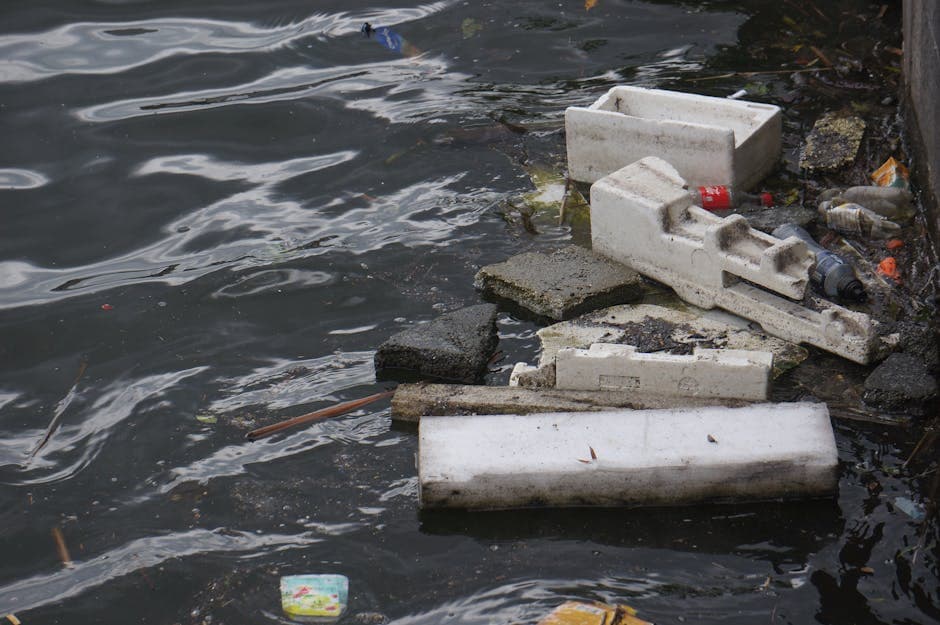
Plastic enters the ocean through five primary pathways: rivers, stormwater runoff, coastal waste mismanagement, maritime activities, and wind transport. Roughly 80% of marine plastic originates on land, carried to the sea through drainage systems, waterways, and direct dumping. The remaining 20% comes from activities at sea — fishing, shipping, and offshore operations.
Understanding these pathways matters because they determine where intervention is most effective. An estimated 19 to 23 million tonnes of plastic waste enter aquatic ecosystems every year, according to UNEP. Stopping that flow requires knowing exactly how it moves.
How Do Rivers Carry Plastic to the Ocean?
Rivers are the single largest conveyor belt for land-based plastic reaching the sea. They collect waste from cities, agricultural land, and informal settlements along their banks and carry it downstream to the coast.
A 2021 study by The Ocean Cleanup revised earlier estimates and identified roughly 1,000 rivers as responsible for approximately 80% of riverine plastic emissions. Previous research had focused on just 10 to 20 major rivers, but The Ocean Cleanup's more granular analysis showed that thousands of smaller rivers — many in tropical regions — collectively contribute enormous volumes of plastic.
The top contributors share common features: dense populations along their banks, limited waste collection infrastructure, and heavy monsoon rainfall that flushes accumulated waste into the water. Rivers in Southeast Asia, South Asia, and sub-Saharan Africa dominate the rankings. The Pasig River in Manila, the Brantas in Indonesia, and the Ganges in India consistently appear among the highest-emitting waterways.
Monsoon seasons create dramatic spikes in plastic flow. During dry months, plastic accumulates on riverbanks, in drainage channels, and along flood plains. When the rains arrive, this stockpiled waste washes into rivers in enormous pulses. A single monsoon event can carry more plastic to the ocean than months of dry-season flow. This seasonal pattern explains why plastic leaks from land to ocean in Indonesia at rates far higher than temperate countries with similar populations.
River interception — using booms, barriers, and collection boats — is gaining traction as a mitigation strategy. But engineers and policymakers increasingly recognise that catching plastic in a river is far more expensive per kilogram than preventing it from reaching the river in the first place.
How Does Stormwater Runoff Carry Plastic to the Sea?
Rain does not just wash away dirt. It picks up microplastics from roads, parking lots, construction sites, and agricultural fields, carrying them through storm drains directly into rivers, estuaries, and coastal waters.
Urban stormwater systems in many cities were designed to move rainwater away from streets as quickly as possible. In older infrastructure — common across North America, Europe, and rapidly growing cities in the Global South — storm drains flow directly to waterways without any filtration or treatment. Litter on roads, tyre rubber fragments ground into asphalt, plastic pellets spilled near factories — all of it enters the stormwater system and travels to the ocean.
Tyre wear particles are among the largest sources of microplastic pollution globally. A 2020 study published by the Pew Charitable Trusts identified road runoff containing tyre dust as a major and largely unaddressed pathway. Every time a car brakes, accelerates, or turns, microscopic fragments of synthetic rubber shed from the tyre surface. These particles are small enough to pass through most drainage filters and persistent enough to accumulate in marine sediments.
Agricultural runoff adds another dimension. Plastic mulch films — used extensively in China, Europe, and parts of Africa — degrade into fragments that wash off fields during irrigation and rainfall. Fertiliser bags, pesticide containers, and irrigation pipe fragments contribute additional agricultural plastic to waterways. A study in Environmental Science & Technology estimated that agricultural soils in some regions contain higher concentrations of microplastics than ocean surface waters.
Stormwater plastic is hard to see and easy to ignore. Unlike a floating bottle in a river, tyre dust and agricultural film fragments are invisible to the naked eye. That invisibility has made stormwater one of the least-regulated plastic pathways despite its scale.
Why Do Coastal Communities Without Waste Infrastructure Contribute the Most?
Approximately 2 billion people worldwide lack access to formal waste collection services, according to World Bank estimates. In coastal areas, uncollected waste sits metres from the water's edge. High tides, storm surges, and rain carry it into the ocean within days.